

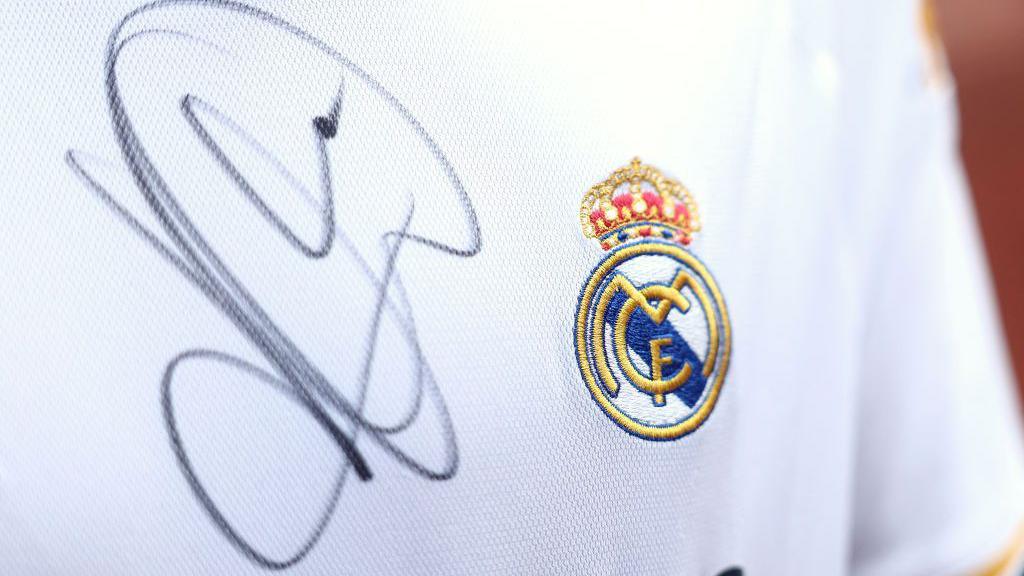
Outside the training ground. At the traffic lights. While filling up at a gas station. In a hotel lobby. Near their private residence.
The places where footballers and managers are confronted for autographs can vary from the mundane and understandable to the intrusive and unacceptable.
Critically, there exists two distinct kinds of signature hunters. There are the genuine fans seeking a memento to treasure forever, and on the other, commercial dealers amassing a stockpile of items to be sold online.
The hunters earning an income from sourcing autographs are often seasoned operators who confront athletes with prepared stacks of jerseys and photographs, aiming to secure as many signatures as possible in a short window.
But what do the players who are targeted think, and are some of these encounters crossing a line?
In What Ways Do Autograph Hunters Engage With Stars?
When a top manager was filmed declining to sign a shirt after a man approached his vehicle not long ago, he defended himself against a counter-reaction by stating he felt "vulnerable" and claimed some "individuals do not act for the proper motives".
In another instance, a high-profile boss angrily chastised a group of seekers who approached him in a car park close to his residence, lambasting their profession and stating, "Don't come again - This is my final warning. What do you aspire to?"
The sports memorabilia industry is estimated to be valued in the billions of pounds worldwide each year, underscoring the substantial wealth commercial seekers can generate by consistently pursuing stars.
Clubs sometimes have to step in and protect athletes, including prohibiting commercial dealers from operating outside training grounds, deploying security staff at local gas stations where seekers are aware players pause, and in certain instances assisting in guiding them home.
One well-known player was recorded instructing individuals to cease trailing him to his house after they had engaged in this on consecutive days.
And more recently, a defender was caught on video comically scribbling half-hearted autographs on a stack of jerseys given to him by a seeker who came up to him at his vehicle's window.
"Athletes become really fed up with it," says a former Premier League winner.
"I've experienced it on many occasions. They stand outside the TV studio and request that I sign a dozen matching jerseys simultaneously. I challenged it the other day and said 'you're going to sell these online, aren't you'?"
"It's so annoying that the purpose is to profit out of athletes. The decision lies with the individual to make a split-second decision in the moment."
"Should we decline, then the rejected individual will often verbally abuse the person who refused them and publicly shame them online."
"It's out of order as genuine autograph hunters must get frustrated with these frauds who are doing it for the wrong reasons."
"These people ruin the experience for kids and genuine fans."

How Do Athletes Think About Professional Sellers?
The majority of athletes are pleased to make a fan's day by dedicating a brief instant with them and signing an autograph.
But when regular hunters appear, confrontations can happen, especially if their conduct is perceived as pushy.
"You get the individuals who are eager to get your autograph but also want to have a short interaction with you and get that connection," notes a former England international. "That is perfectly acceptable, but then you also get the ones that you see constantly."
"A portion of them are quite savvy with the way they do it - they send their kids, or they bring their mates."
"There have been times when confrontations have happened. I remember one where a man tried having a go with me - he would hand you twenty of the same card, and you would either refuse to sign the entire stack or your autograph would become progressively weaker as it continued because you were aware he was going to resell them."
In some instances players can understand the motivation while refusing to tolerate rudeness.
"He would frankly admit he was going to flog them, but from his perspective that would pay for his match tickets," the former player adds. "Most fans are truly polite and appreciative. They are rarely rude until they fail to receive what they desire."
Are Some Genuine Fans Acting More Entitled?
Throughout the growth of women's football, fans have historically enjoyed more direct interaction to players than in the premier league. For the most part, those interactions are friendly, safe, and courteous.
But some athletes believe interactions have become increasingly rude and disrespectful in recent seasons.
One national team player revealed she was asked to sign by some of the same fans who had earlier jeered her during a game.
"It certainly appears to have been a shift in the recent period - there feels to me more of a sense of entitlement with certain supporters now," says a former top-flight player.
"Supporters having more access to players has been a big part of the uniqueness of the sport, and when I was playing we always wanted to make time for them," she adds.
"Nowadays, some people feel because they've bought admission they are deserve the time of the players around the game."
"No athlete wants to snub the fans, but there are appropriate moments and locations, and possible safety concerns need to be taken into account."
"It requires mutual respect and it should be managed in a secure, regulated environment."
"It is essential to still facilitate those interactions so that young fans don't lose heart and think 'the players I admire don't care about me'."
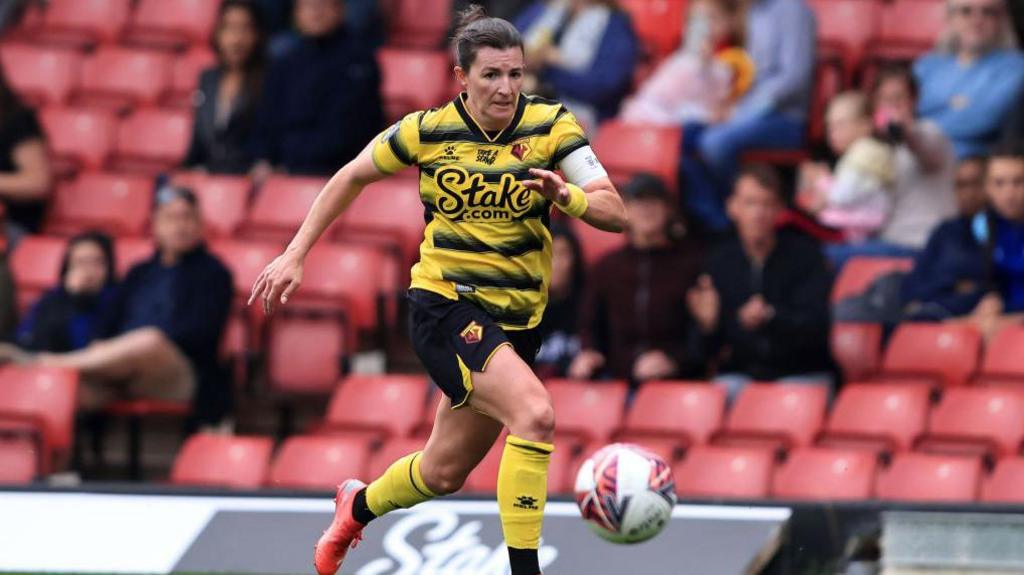
Supporters Face the Danger of Buying Fakes Online
Products signed by top names and then posted for sale by autograph hunters can fetch tens of thousands of pounds.
But not every piece of autographed collectibles purchased will turn out to be legitimate.
In some cases, web shops are established by fraudsters who forge items by purchasing products before adding a forged autograph - either by doing so themselves or employing the expertise of expert handwriting copiers.
One reason dishonest sellers can get away with their crimes is because signature authentication is an unregulated process in many regions. Most items come with a proof of genuineness, but that certificate is only as credible as the company which awards it, and those entities can be completely unvetted.
Several years ago, a individual was jailed after making more than £1m from selling fake


